Since their development in antiquity, some of the most basic metalworking practices have endured and are still in use. Bending, stamping and engraving are, in principle, the same processes they have always been, though the processes have become more effective and efficient as time has passed. As for the future of metalworking, the development of lasers and other advanced machinery that can cut metals without even touching them has made possible levels of precision fabrication that professionals even 20 years ago may never have dreamed. Computer-assisted manufacturing equipment (many varieties of which are known as Computer Numeric Equipment) can fabricate products with virtually no mistakes. Complex designs can be created easily with Computer-Aided Design (CAD) software and created by computer-assisted equipment with tremendous ease. Despite the surge of developments in metal fabrication technology, some metalworkers temper their enthusiasm for the future of metalworking. As advanced metalworking methods are developed, the possibility that older methods as well as workers will be displaced seems very real; automated production lines can make entire shifts of workers unnecessary. The only certainty about the future of metalworking is that no one can predict its course.
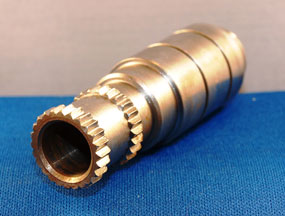 Broaching
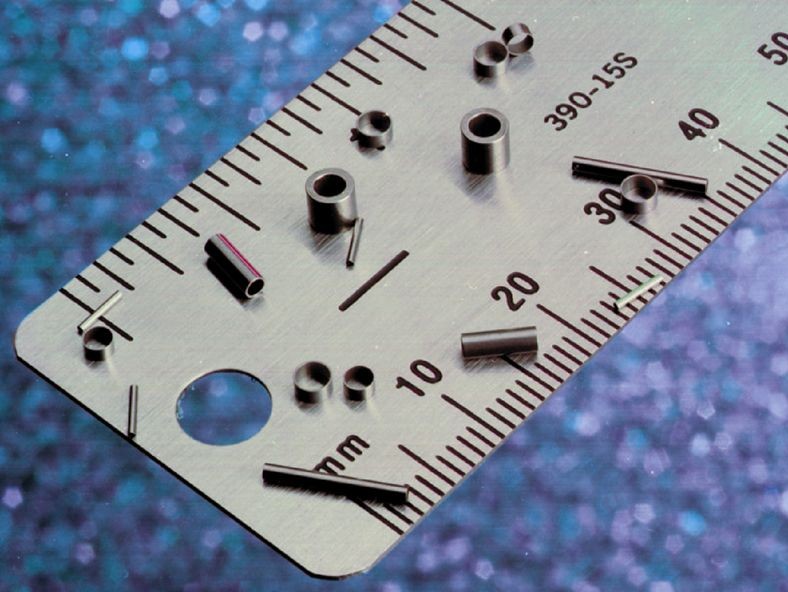 CNC Machining
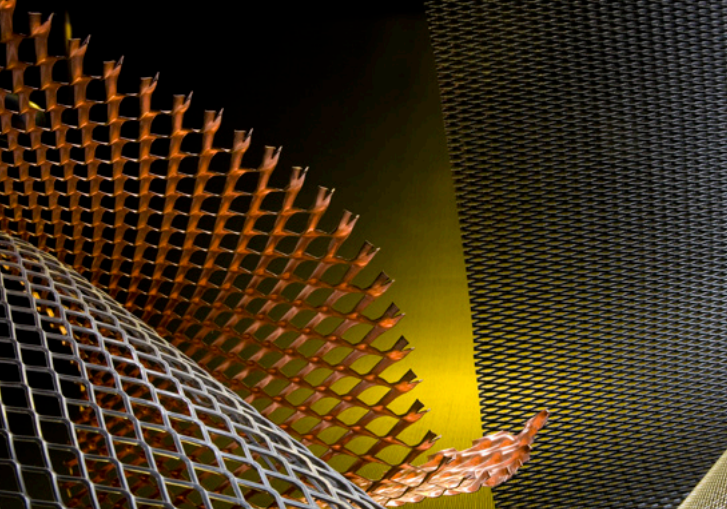 Expanded Metals
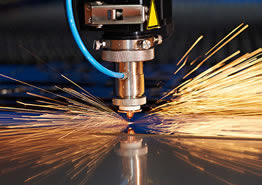 Laser Cutting
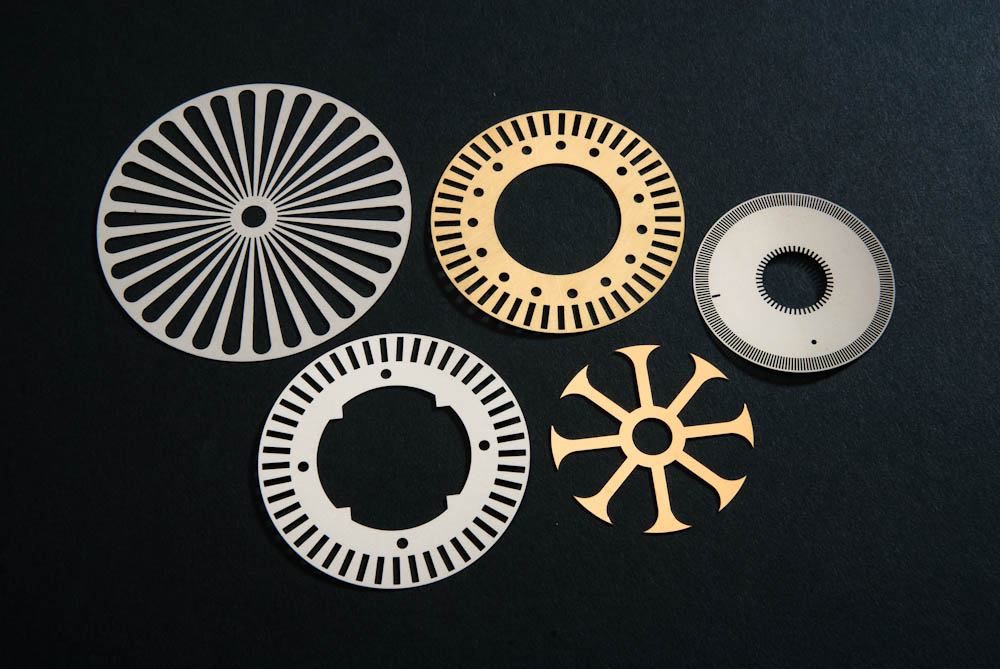 Metal Etching
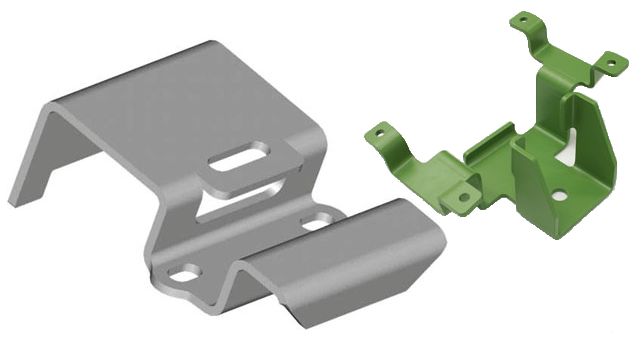 Metal Fabrication
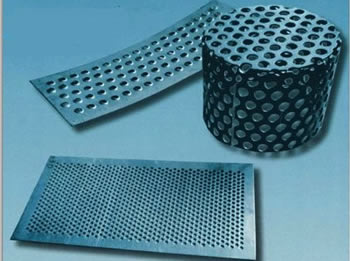 Perforated Metals
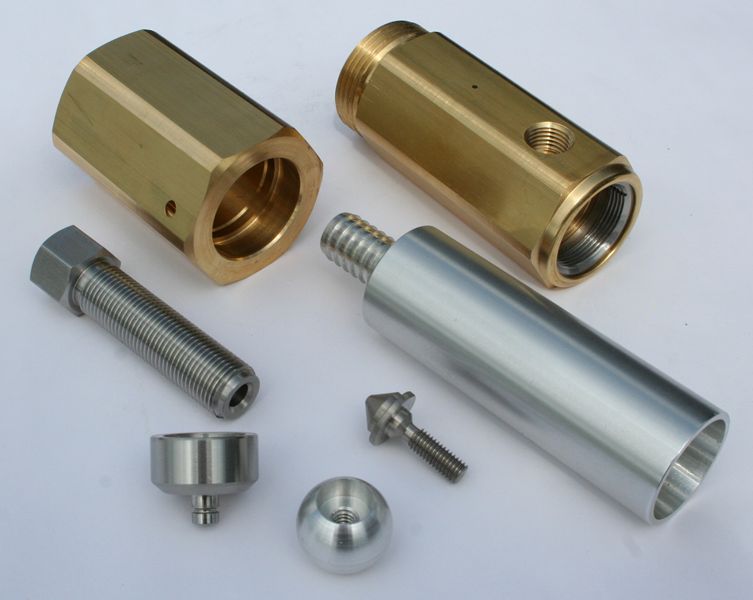 Screw Machine Products
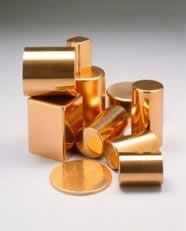 Metal Stampings
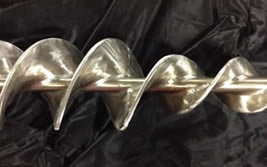 Sheet Metal Fabrication
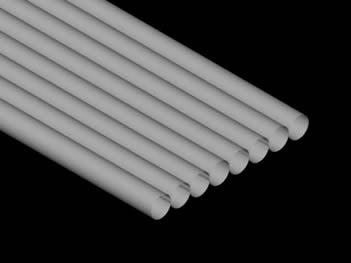 Tube Fabrication
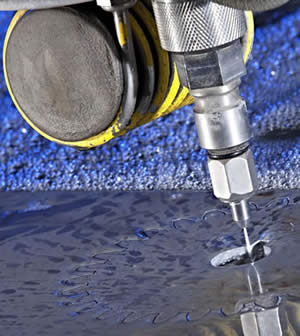 Water Jet Cutting
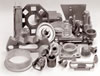 Castings & Forgings
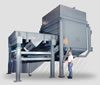 Bulk Material Handling
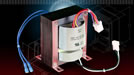 Electrical & Electronic Components
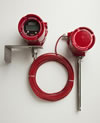 Flow Instrumentation
 Hardware
 Material Handling Equipment
 Metal Cutting Services
 Metal Forming Services
 Metal Suppliers
 Motion Control Products
 Plant & Facility Equipment
 Plant & Facility Supplies
 Plastic Molding Processes
 Pumps & Valves
 Recycling Equipment
 Rubber Products & Services