Full service, high volume sheet metal fabrication for OEM’s has occurred for over 8 decades at Accurate Metal Fabricating. Capabilities include light gauge metal fabricating in all forms of steel, aluminum, , stainless steel fabrication, metal welding, & more. Fabricating products for many industries such as power generation, food processing, cabinets, enclosures, P.O.P displays,...


More Metal Forming Companies
Metal forming, or metal shaping, is one of the most basic kinds of metal processing, and yet shaped metal products are involved in a vast amount of products used by people around the world. Shaped gold rings are used as a symbol of marriage, and gold often plays an important role in making symbols appear on the screens of consumer electronics.
In both cases, a metal forming process must be applied to the gold in order to make it usable. Beginning several thousand years ago (and on an industrial scale little more than one or two hundred years ago) methods of metalworking were developed to make tools, weapons, building materials, toys, jewelry, electronics, furniture, transportation equipment and many other utilities for life and leisure. Each fabrication process accommodates different kinds of metals and makes different kinds of shapes.
There are two main categories of metal fabrication. The first, heavy fabrication, involves the production of metal products for use in large applications. Fabricated metal products for use in bridge construction, ship building, aerospace vessel design and other large-scale applications all belong to this category.
All other fabricated metal products for use in smaller-scale applications belong to the category of light fabrication. Stainless steel kitchenware, metal trim and aluminum grating are all examples of light fabrication. The processes by which both light and heavy fabricated products are created include roll forming, press braking, punching, bending, stamping and many others. Roll forming is among the most common metal shaping processes, and it is used to create all manner of metal shapes.
It is a cold forming process, which means that it can shape metals without the application of extreme heat. Roll forming systems involve a long series of rollers of varying configurations; each roller system in the sequence is positioned in a slightly different way, which gradually bends the metal passing through them. By the time the metal passes through the last set of rollers, it has been bent into its final shape.
 Broaching
 CNC Machining
 Expanded Metals
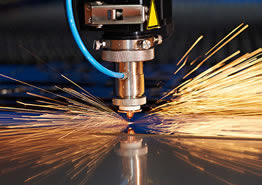 Laser Cutting
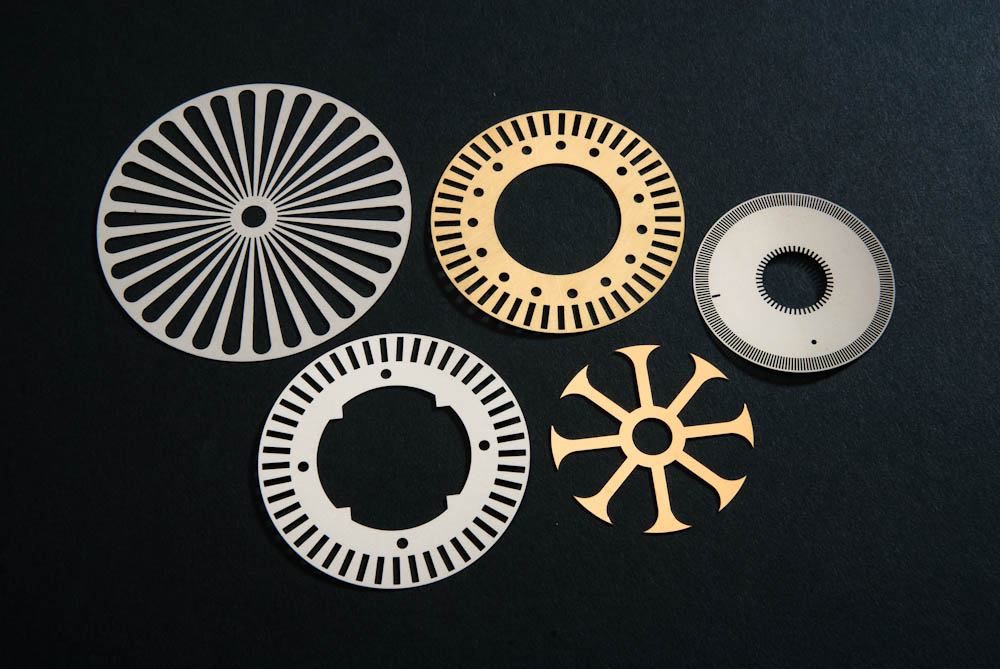 Metal Etching
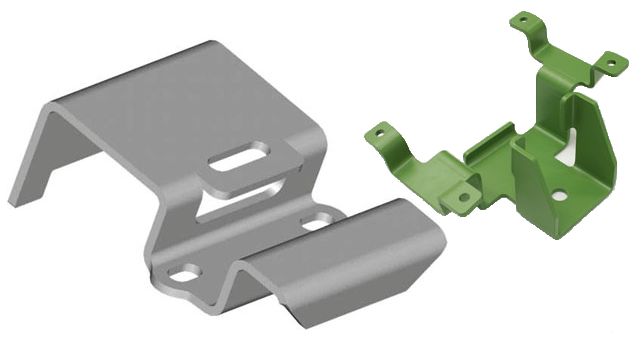 Metal Fabrication
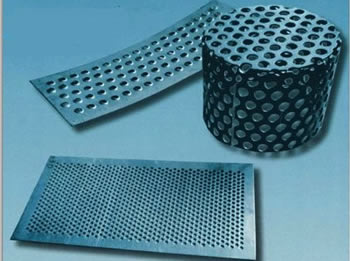 Perforated Metals
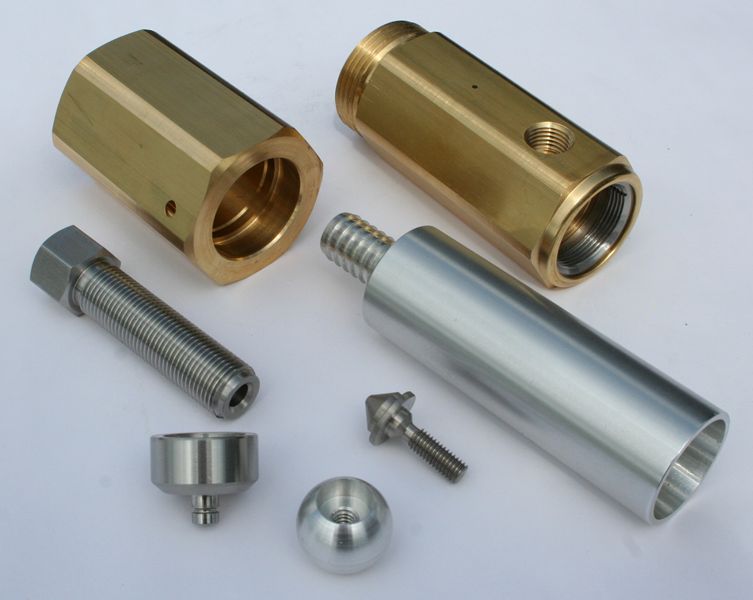 Screw Machine Products
 Metal Stampings
 Sheet Metal Fabrication
 Tube Fabrication
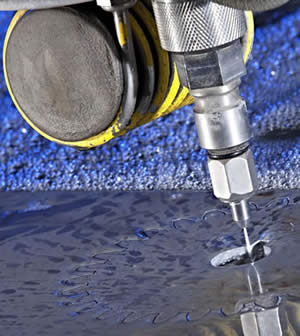 Water Jet Cutting
 Castings & Forgings
 Bulk Material Handling
 Electrical & Electronic Components
 Flow Instrumentation
 Hardware
 Material Handling Equipment
 Metal Cutting Services
 Metal Forming Services
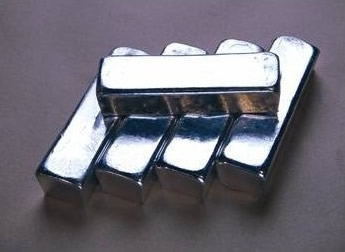 Metal Suppliers
 Motion Control Products
 Plant & Facility Equipment
 Plant & Facility Supplies
 Plastic Molding Processes
 Pumps & Valves
 Recycling Equipment
 Rubber Products & Services